|
Egil Diau I’m rebuilding the foundations of how we understand humans. My research replaces narrative-driven explanations in the human sciences with precise, mechanistic accounts grounded in real-world conditions, while also addressing foundational problems in mathematics and computing. My background spans computer science, economics, and behavioral science, and I’m currently based at National Taiwan University. |

|
ResearchMy research reconstructs the human sciences through comparison and grounding, replacing narrative-style explanations with precise, mechanistic accounts grounded in real-world conditions, while also addressing major foundational problems in mathematics and computing. |
|
Grounding the Human Sciences: A Cross-Species Framework for Experimental
Robustness
Egil Diau Zenodo, 2025
Biological Cognitive Basis
Unified Human Substrate
Foundations of Human Societies
project page
/
Zenodo
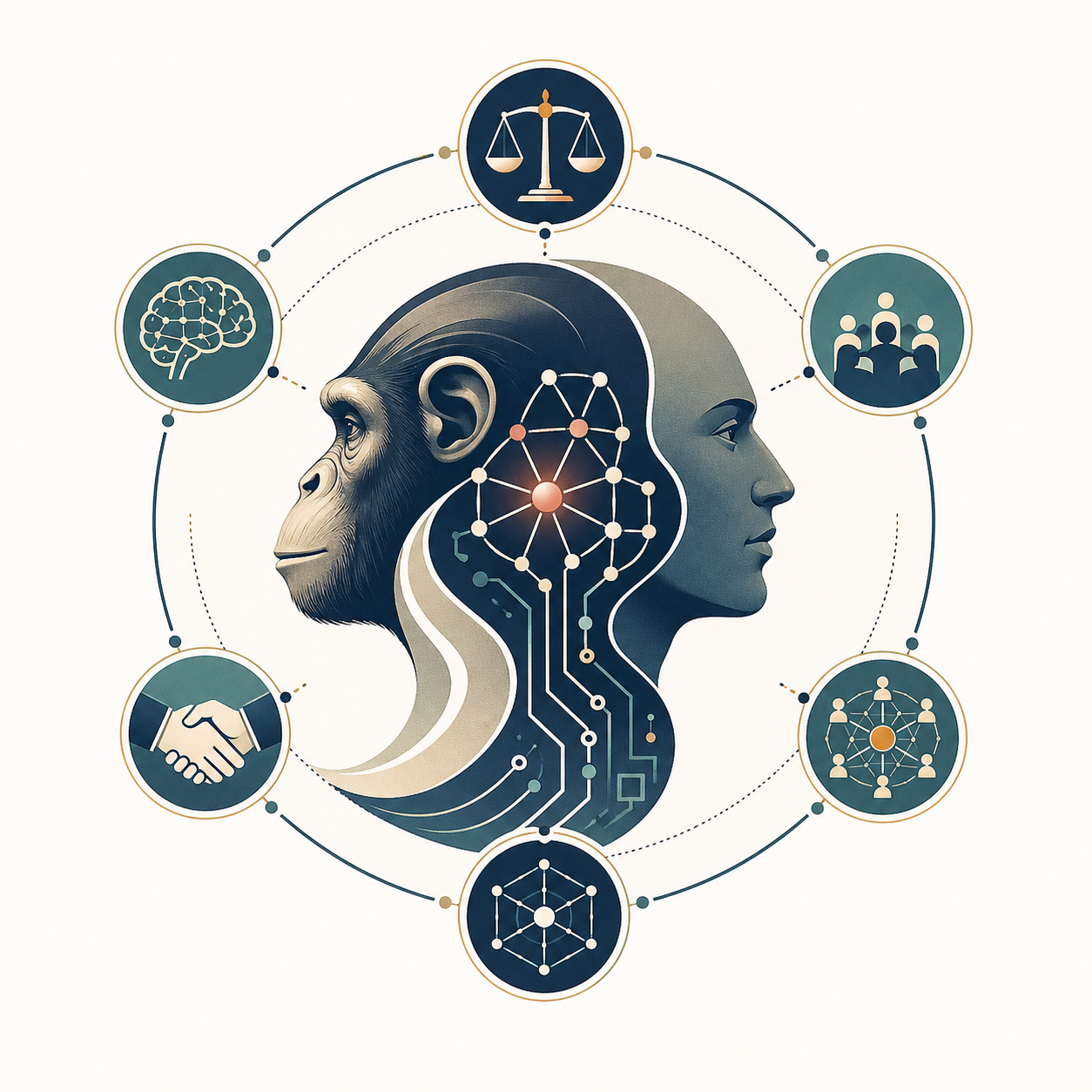
We argue that persistent replication failures in the human sciences reflect a deeper problem: many theoretical constructs do not correspond to coherent, stable cognitive capabilities. We therefore propose a six-domain cross-species framework and workflow for grounding the human sciences in more robust cognitive functions shared across species. |
|
Rethinking Statistics and Causality: Why Mechanisms Cannot Be Inferred from
Projected
Data Distributions
Egil Diau Zenodo, 2025
Statistic
Bayesain Inference
Causal Inference
project page
/
Zenodo
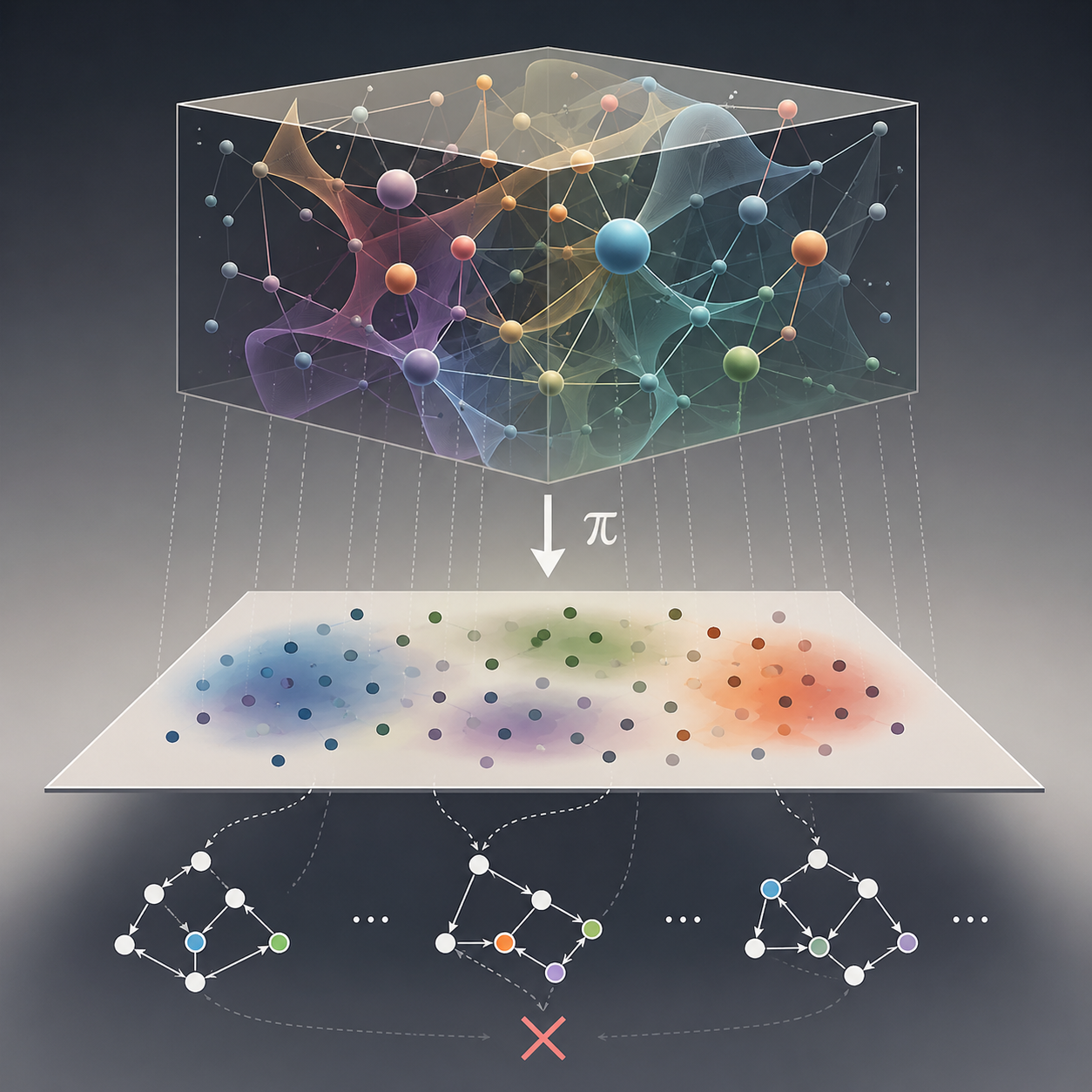
Persistent failures of statistical and causal inference to match real-world behavior across disciplines reveal a deeper limitation: mechanisms cannot be inferred from projected data alone, because projected data need not preserve the properties of the original structure. The deeper error is to treat mathematical decomposition as mechanistic decomposition, even though these operations remain confined to projected data and are generally non-unique. |
|
Before Markets: The Cognitive Foundations of Economic Exchange
Egil Diau
Economic Origins
Reciprocity-Based Exchange
Cognitive Mechanisms
arXiv, 2025
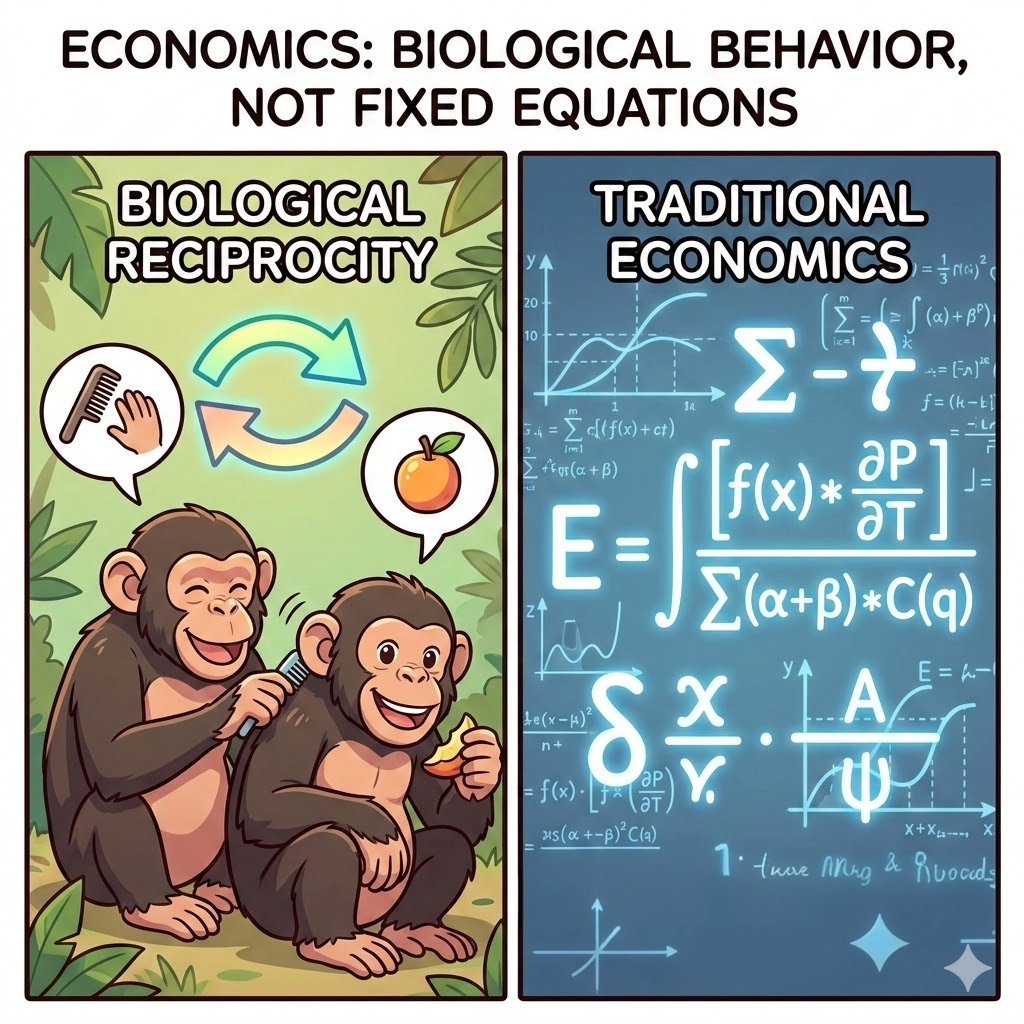
project page / Zenodo Prevailing accounts trace the origins of economic exchange to barter or symbolic trust—a framing that places its roots in uniquely human invention. We overturn this assumption, proposing instead that economic exchange originates in reciprocity: a social behavior shared with other social animals and sustained by three mechanisms—individual-specific memory, reciprocity expectation, and cost–return sensitivity. |
|
Rethinking Economics: From Classical Assumptions to Cognitive
Reality
Egil Diau Zenodo, 2025
Economic Foundations
Conceptual Reconstruction
Real Economic Behavior
project page
/
Zenodo
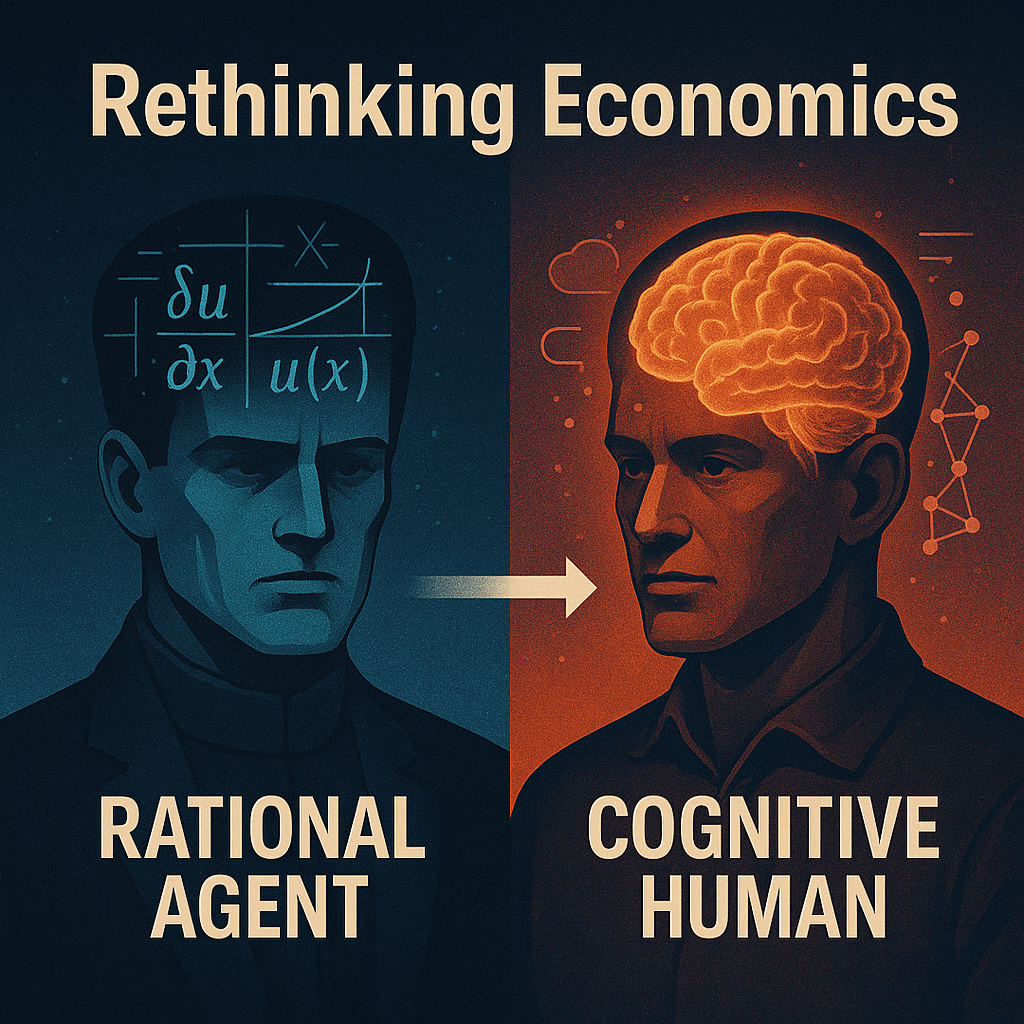
Modern economics inherited its form from eighteenth-century moral philosophy. Yet many of its core ideas—rational agency, self-interest, and equilibrium—were historical inventions, not empirical facts. To address this, we re-examine seven foundational myths and rebuild the field on cognitive and behavioural reality. |
|
Rethinking Social Cognition Beyond Mindreading
Egil Diau Zenodo, 2025
Social Cogniton
Relative Position Dynamics
Unified Social Foundations
project page
/
Zenodo
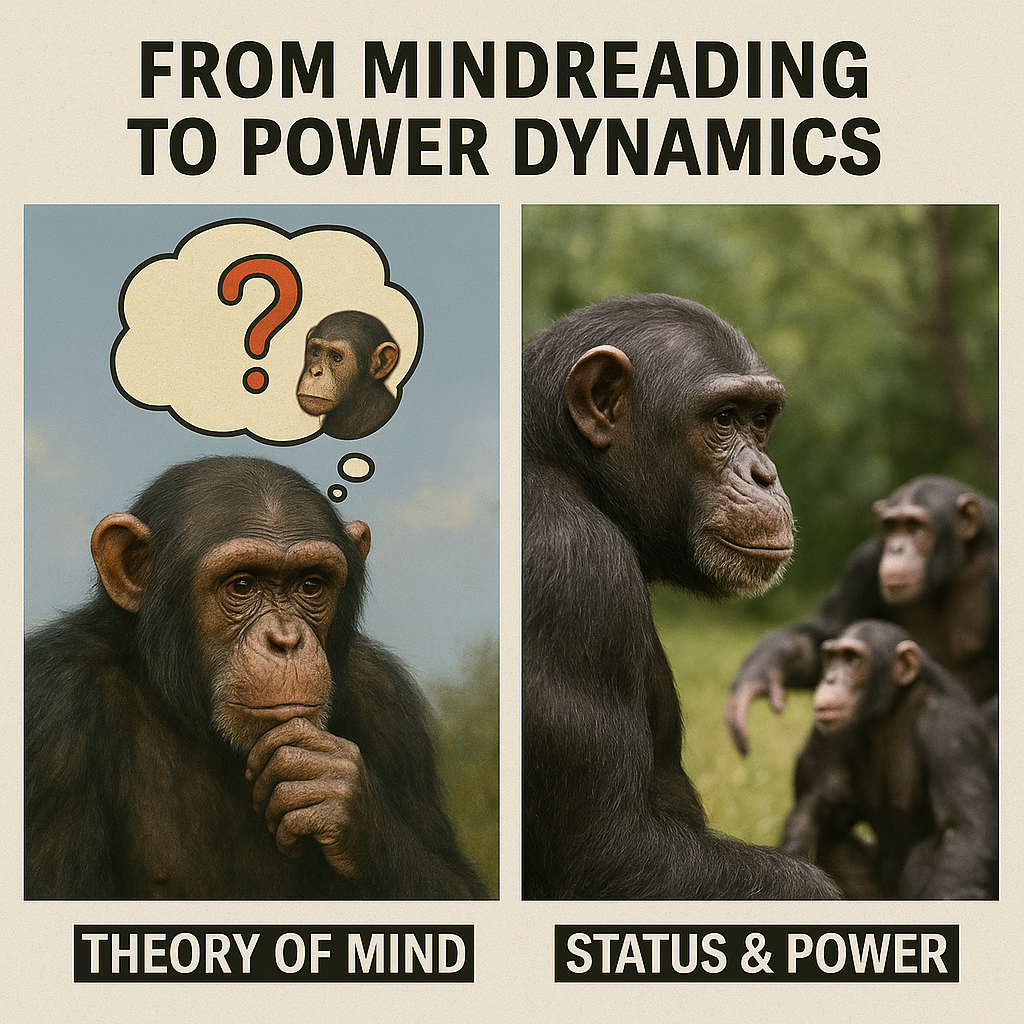
Humans do not possess a reliable capacity for mindreading. The contrast is striking: Theory of Mind originated in research on chimpanzees, whose social behavior is organized largely around status and power, while human lie detection remains near chance at roughly 54% accuracy. Social cognition is therefore better described as tracking status and navigating power dynamics than as inferring mental states. |
|
The Achilles’ Heel of Symbolic Inference: The Grounding Problem
Egil Diau Zenodo, 2025
Symbolic Mind
Symbolic Computation
Logic
project page
/
Zenodo
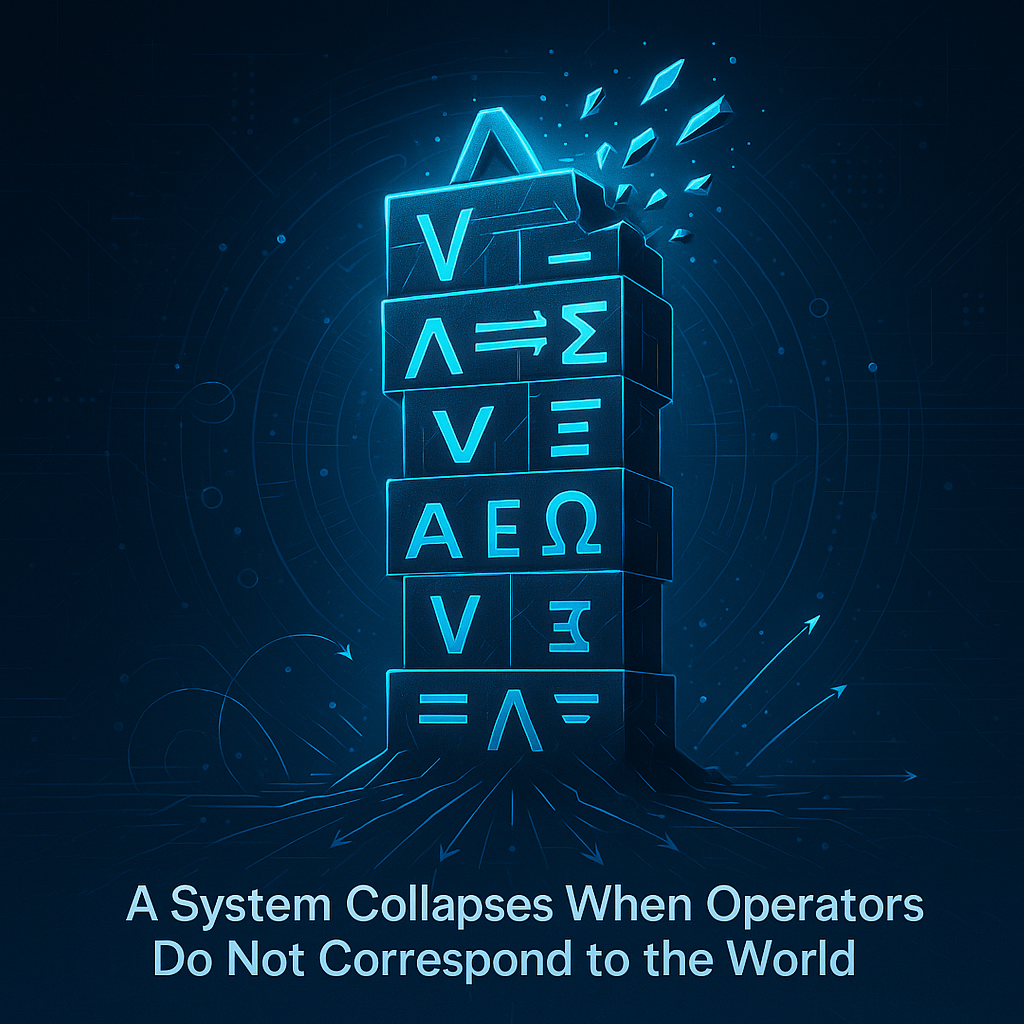
Symbolic computation has long been treated as a technical problem. Its deeper failure is grounding: it assumes that the world consists of discrete, jointly realizable conditions, but the world is not structured that way. In open-world settings, information is often unknown, incomplete, or incorrect, making symbolic systems highly likely to break because a single grounding failure can invalidate the entire chain. |